Can Gum Disease Treatment Reverse Early Gum Problems?
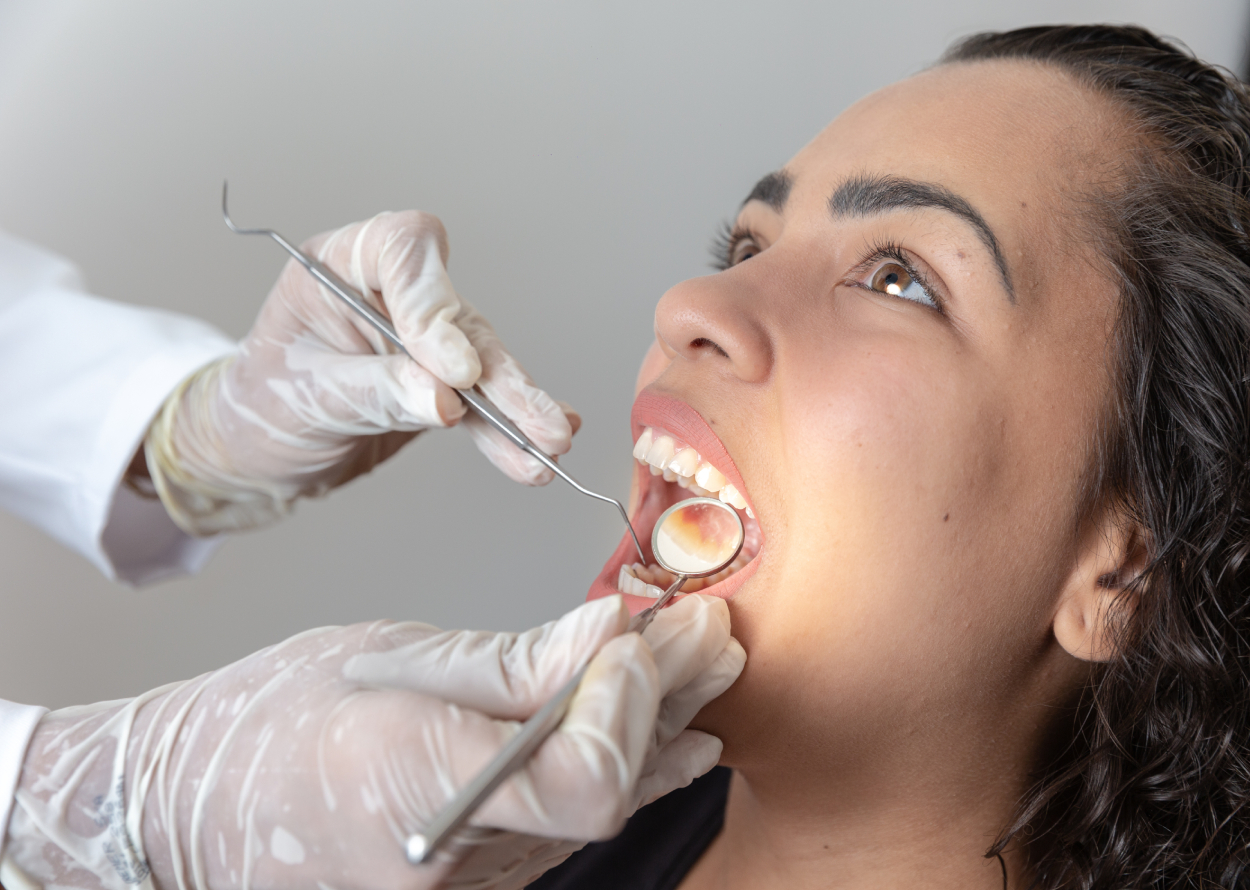

The short answer is yes, early gum problems can often be reversed, but timing matters more than most people realize.
When people ask whether gum disease treatment can undo the damage, they are usually talking about bleeding gums, puffiness along the gumline, tenderness when brushing, or that persistent bad taste that seems to come back no matter how often they rinse. In the earliest stage, the problem is usually gingivitis. At that point, the inflammation is real, but the deeper structures that hold the teeth in place have not yet suffered permanent destruction. That is the window where improvement can be dramatic.
Once the disease progresses into periodontitis, the conversation changes. Treatment can still control the infection, reduce inflammation, and help preserve teeth for many years. What it usually cannot do on its own is regrow every bit of bone or gum tissue that has already been lost. This distinction is where many patients get confused. They hear the phrase "gum disease" and assume all stages behave the same way. They do not.
In everyday practice, the difference between reversible and manageable often comes down to a few months of delay. Someone notices bleeding when flossing, ignores it, and comes in six months later with deeper pockets around the molars. At that point, treatment still helps, sometimes enormously, but the goal is no longer simply to reverse irritation. It is to stop further breakdown and stabilize the mouth.
What counts as an early gum problem?
Early gum disease is most often gingivitis. Plaque builds up around the teeth and under the edge of the gums. The bacteria in that film irritate the tissues, and the body responds with inflammation. Gums may look red instead of pale pink. They may bleed when brushing, flossing, or biting into something firm like an apple. Some patients also notice mild swelling or a shiny appearance along the gumline.
At this stage, the bone and connective tissue attachment around the teeth are usually intact. That matters because once those supporting structures are damaged, the body does not naturally restore them completely in a predictable way.
It is also worth saying that not every case looks dramatic. I have seen people with obvious bleeding and puffiness who assumed something was wrong, and I have seen others with only subtle symptoms who were surprised to learn their gums were inflamed. Bad breath is a common clue, especially when it does not improve despite brushing the tongue and using mouthwash.
A common misconception is that pain must be present for the condition to be serious. Gum disease often progresses quietly. Teeth can become looser and bone can be lost with far less discomfort than a cavity or cracked tooth would cause.
When "reverse" is the right word
For gingivitis, reverse is an accurate word.
If the soft tissue is inflamed because of plaque and tartar accumulation, removing the bacterial irritants and improving daily home care can allow the gums to return to a healthier state. Bleeding can decrease quickly, sometimes within a week or two of proper cleaning and consistent brushing and flossing. Swelling may take a bit longer, especially if the inflammation has been present for a while. In many mild cases, the gums regain a firmer, healthier appearance after a professional cleaning and a few weeks of better plaque control at home.
This is one of the more satisfying parts of dental care because patients can often see the change for themselves. Gums that bled every morning become calmer. Breath improves. The mouth feels cleaner for longer stretches during the day. Those are meaningful improvements, not just cosmetic ones.
Still, "reversal" does not mean a single cleaning solves everything forever. The bacterial biofilm that caused the inflammation will return if it is allowed to build up again. Reversal depends on both treatment and maintenance.
When the answer becomes more complicated
Once the diagnosis moves from gingivitis to periodontitis, treatment is still essential, but the objective changes. Periodontitis involves loss of attachment between the gum and the tooth, often with bone loss beneath the surface. Pockets deepen, making it easier for bacteria to remain protected below the gumline. The deeper the pocket, the harder it is for routine brushing and flossing to reach effectively.
At that point, gum disease treatment can usually reduce infection and inflammation, help the gums tighten somewhat around the teeth, and slow or stop further damage. In some cases, especially with targeted periodontal procedures, there can be limited regeneration of certain structures. But that is not the same as saying the disease is simply reversed in the way early gingivitis can be.
This is where professional judgment matters. A patient may hear that treatment "worked" and think everything returned to normal. What the dentist or periodontist often means is that bleeding improved, pocket depths decreased, and the condition is stable. Stability is an excellent result. It just is not identical to complete restoration of all lost tissues.
Why gums start bleeding in the first place
Healthy gums do not usually bleed with ordinary brushing or flossing. When they do, the tissue is often inflamed and fragile. The blood vessels in the area are more reactive, and the tissue breaks more easily on contact.
People often stop flossing when they see blood. That reaction is understandable, but it tends to make the problem worse. If the bleeding is caused by plaque-induced gingivitis, avoiding the area allows more bacteria to accumulate, which increases the inflammation and often leads to more bleeding. Gentle but thorough cleaning is usually part of the solution, not the cause of the problem.
That said, there are exceptions. Improper brushing technique, aggressive floss snapping, dry mouth, hormonal changes, certain medications, smoking, diabetes, and ill-fitting dental work can all complicate the picture. This is why self-diagnosis only goes so far. The symptom may be simple gingivitis, or it may be masking something deeper.
What gum disease treatment usually involves
For early cases, treatment may be straightforward. A professional cleaning removes plaque and tartar from above and just below the gumline. The dental team checks for areas where buildup tends to collect, such as behind the lower front teeth or around crowded molars. Patients are usually given specific guidance on brushing angle, floss technique, and whether additional tools like interdental brushes make sense.
For more advanced disease, the treatment often goes beyond a routine cleaning. Scaling and root planing, sometimes called deep cleaning, is commonly used to remove deposits below the gums and smooth root surfaces so the tissue can heal more effectively. Follow-up measurements help determine whether the pockets are responding. If they are not, localized antibiotics, laser therapy in selected cases, or referral to a periodontist may be appropriate. In severe situations, surgical procedures may be needed to reduce pockets or attempt regeneration.
A practical way to think about it is this:
- Early gingivitis often responds to professional cleaning and improved daily care.
- Mild to moderate periodontitis usually needs deeper, more targeted treatment.
- Advanced disease may require specialist care and a long-term maintenance plan.
- Every stage benefits from consistent home care after treatment.
- Smoking, diabetes, and dry mouth can slow healing and raise the risk of relapse.
That progression is why early evaluation matters. The sooner the problem is identified, the simpler the treatment tends to be.
What patients notice after successful early treatment
When early gum problems are treated effectively, the changes are often subtle but unmistakable. The gums stop bleeding as easily. Breath improves. Brushing feels less uncomfortable. The tissue looks less swollen and hugs the teeth more closely. Some people also notice that food packs less around certain teeth because the inflamed tissue is no longer puffed up.
One detail catches patients off guard from time to time. After the inflammation goes down, the gums may look slightly lower than they did before. This does not necessarily mean treatment harmed the gums. Inflamed tissue is swollen and enlarged. When it heals, it shrinks back to a healthier contour. That can make the teeth look a bit longer even though the change reflects reduced swelling rather than new damage.
It is also normal for the mouth to feel cleaner in a way that is hard to describe but easy to recognize. Patients often say the teeth feel "smooth" or that there is less film by midday. That sensation matters because it signals that plaque-retentive deposits have been removed.
How long does reversal take?
Healing time varies with the severity of the inflammation, the quality of home care, tobacco use, general health, and how much tartar was present to begin with. For mild gingivitis, visible improvement can begin within several days after a professional cleaning and better brushing. More noticeable changes often appear over two to four weeks. If the gums have been inflamed for a long time, full improvement may take longer.
For periodontitis, healing is measured differently. Dentists look for reduced bleeding, shallower pocket depths, firmer tissue, and signs that the disease is no longer actively progressing. That process may unfold over several appointments and several months, especially if deep cleaning or periodontal therapy is involved.
One of the most important points patients should hear is that healing is not entirely passive. The office treatment starts the process, but daily plaque control determines how well the gums actually recover.
The role of home care, and where people go wrong
A surprising number of early gum problems persist not because treatment failed, but because home care remained inconsistent after the appointment. People often brush for enough time but miss the gumline, where the brush needs to be angled gently. Others floss only a few times a week, which is usually not enough https://lukaskmyi644.nexorafield.com/posts/affordable-gum-disease-treatment-in-ventura-for-healthier-gums for inflamed sites.
The goal is not aggression. Overbrushing can irritate the gums and wear the tooth surfaces near the gumline. Technique matters more than force. A soft-bristled brush, short controlled movements, and regular cleaning between the teeth are usually more effective than scrubbing hard with a medium brush.
Many patients also rely too heavily on mouthwash. Rinses can be helpful in selected cases, especially when recommended for a specific reason, but they do not replace mechanical plaque removal. If the sticky bacterial film remains attached, the gums will stay irritated.
These are the habits that usually make the biggest difference:
- Brush twice daily with a soft brush, paying special attention to the gumline.
- Clean between the teeth every day with floss or interdental brushes.
- Keep regular professional cleanings based on your risk level, not just when something hurts.
- Address smoking, uncontrolled diabetes, and dry mouth if they are part of the picture.
- Return for follow-up if bleeding continues after a few weeks of better care.
That last point is especially important. Persistent bleeding is not something to normalize.
Can untreated gingivitis always become periodontitis?
Not every case progresses at the same pace, but untreated gingivitis absolutely raises the risk. Some people move from mild inflammation to measurable attachment loss faster than others. Genetics, smoking, diabetes, immune response, oral hygiene habits, and existing dental restorations all influence that timeline.
I have seen patients in their twenties with localized periodontal damage around lower front teeth because plaque and tartar had been sitting undisturbed for a long time. I have also seen older adults with chronic gingivitis who had less structural damage than expected because other risk factors were low and they sought care before the disease deepened. The mouth does not always follow a neat schedule.
What is reliable is this: early treatment gives the best chance of real reversal, while delay shifts the goal toward damage control.
Special situations that change the outlook
Hormonal changes can make gums more reactive. Pregnancy, puberty, and menopause may intensify inflammation even when plaque levels are not dramatically different. The underlying issue still needs to be managed, but the gums may bleed more easily during these periods.
Diabetes deserves special mention because the relationship goes both ways. Poorly controlled blood sugar can worsen gum inflammation and impair healing, while periodontal infection can make diabetes harder to manage. In patients with diabetes, improving gum health can be part of improving overall health.
Smoking is one of the most significant factors in poor periodontal outcomes. Smokers do not always show the classic bleeding pattern because nicotine affects blood flow, so disease may appear less dramatic than it is. Healing after Gum Disease Treatment is also less predictable in smokers, and relapse is more common.
Dry mouth matters too. Saliva protects the mouth in ways most people never think about until it is reduced. Certain medications, medical conditions, and mouth breathing can make plaque control harder and gum irritation more persistent.
What to expect from Gum Disease Treatment in Ventura or anywhere else
Whether someone is seeking Gum Disease Treatment in Ventura or another community, the fundamentals should be the same. A proper evaluation includes measurement of gum pockets, assessment of bleeding, review of medical history, and radiographs when indicated to check the bone levels around the teeth. Treatment should match the stage of disease, not just the symptoms the patient notices.
If you are comparing offices, it is reasonable to ask how they diagnose gum disease, what follow-up is recommended after treatment, and how maintenance visits are tailored for patients with a history of periodontal problems. Good care is not only about the initial cleaning. It is about tracking whether the gums are actually healing and staying healthy.
A patient with early gingivitis may need only a regular cleaning and better home care coaching. A patient with four to six millimeter pockets, recurrent bleeding, and visible bone loss needs a more involved periodontal approach. Lumping those cases together under one generic label does patients a disservice.
The signs that should prompt an appointment soon
Bleeding is the most common early warning, but it is not the only one. Swelling, bad breath, gum tenderness, recession, and a sense that the teeth look longer can all signal a problem. Food trapping between teeth that used to feel snug can also suggest shifting gum support or developing spaces.
Loose teeth, pus near the gums, or pain when chewing call for prompt evaluation because those symptoms may indicate more advanced disease or another urgent issue. Even then, treatment can still help significantly. The point is simply that the sooner the assessment happens, the more options are likely to be available.
The real answer most patients need
Yes, gum disease treatment can reverse early gum problems when those problems are limited to gingivitis. That is the encouraging part, and it is worth emphasizing because many people assume bleeding gums are inevitable or harmless. They are neither. Early inflammation is common, treatable, and often reversible.
The less comfortable truth is that waiting changes what treatment can realistically achieve. Once bone and attachment are lost, Gum Disease Treatment is still valuable, often critically so, but it becomes a matter of control, stabilization, and preservation rather than a simple reset to normal.
That is why the best time to deal with bleeding gums is when they first start, not after they have been ignored for a year. In gum health, early action is not just better. It is often the dividing line between reversal and long-term management.
Avra Dental
Address: 1708 S Victoria Ave B, Ventura, CA 93003
Phone number: (805) 941-1001
FAQ About Gum Disease Treatment in Ventura
How to improve gum health quickly?
To improve gum health quickly, eliminate plaque buildup by brushing for two full minutes twice a day at a 45-degree angle to the gumline. Floss daily to clean under the gumline, and rinse with an antimicrobial, alcohol-free mouthwash. For immediate relief of soreness, use a warm saltwater rinse.
What is the fastest way to cure gum disease?
To quickly cure early-stage gum disease (gingivitis), eliminate the plaque buildup causing the inflammation. Brush gently but thoroughly for two minutes twice daily, floss daily, and use an antibacterial mouthwash or a warm saltwater rinse. However, if tartar has hardened, professional treatment is necessary.
How do I treat my gum disease at home?
You can treat early gum disease at home by practicing strict daily oral hygiene, rinsing with salt water or antibacterial mouthwash, and quitting smoking. True gum disease (especially advanced forms like periodontitis) cannot be fully cured at home once tartar forms, and you must see a dentist for professional cleanings.